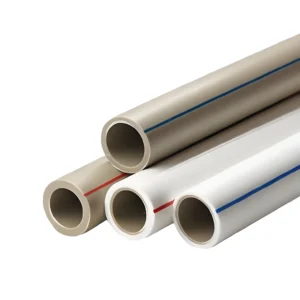
Polypropylene Random Copolymer (PPR) pipes have become a cornerstone of modern plumbing and fluid distribution systems worldwide. Known for their exceptional durability, thermal resistance, and leak-proof joints, PPR pipes are increasingly favored over traditional metal and PVC piping in residential, commercial, and industrial applications.
This guide provides a comprehensive overview of PPR pipe technology, covering its material properties, key advantages, installation methods, and the market trends driving its global adoption.
What Is PPR Pipe?
PPR pipe is made from polypropylene random copolymer, a thermoplastic polymer produced by randomly copolymerizing propylene with a small amount of ethylene. This specific molecular structure gives PPR its unique combination of strength, flexibility, and thermal stability.
Unlike PVC (polyvinyl chloride), which is typically used for cold water and drainage, PPR is engineered for demanding applications involving hot and cold water distribution, heating systems, and industrial fluid transport.
Key Material Specifications
7 Key Advantages of PPR Pipes
1. High-Temperature & Pressure Resistance
PPR pipes can handle continuous hot water temperatures up to 70°C and short-term peaks of 95°C. They are available in various pressure ratings (PN16, PN20, PN25), making them suitable for both domestic hot water and central heating systems.
2. Leak-Proof Thermal Fusion Joints
PPR pipes are joined using heat fusion welding (socket fusion or butt fusion), where the pipe and fitting are melted and fused together. This creates a homogeneous, seamless joint that is as strong as the pipe itself, eliminating the leak points common with threaded or glued connections.
3. Corrosion & Chemical Resistance
PPR is 100% corrosion-resistant and does not rust, scale, or degrade in the presence of most acids, alkalis (pH 1-14), and salts. It is also resistant to chlorinated water and common construction materials like lime and cement mortars.
4. Smooth Internal Surface & Hydraulic Efficiency
The low surface roughness of PPR pipes promotes laminar flow, minimizes pressure loss (head loss), and prevents the buildup of scale or deposits. This ensures consistent flow rates and reduces pumping energy costs.
5. Lightweight & Easy to Install
PPR pipes weigh approximately 1/8 of steel pipes, making them easier to transport, handle, and install. This light weight, combined with the speed of heat fusion joining, significantly reduces installation time and labor costs.
6. Thermal & Acoustic Insulation
With thermal conductivity just 1/200 of steel, PPR pipes minimize heat loss in hot water systems, improving energy efficiency. The material also absorbs vibrations and reduces noise transmission from water flow, making it ideal for residential and commercial buildings.
7. Safe for Drinking Water
PPR is non-toxic, lead-free, and does not leach harmful chemicals or plasticizers. It complies with strict international drinking water standards, including NSF/ANSI 14 and FDA regulations.
PPR vs. PVC: Key Differences
Applications of PPR Pipes
Residential & Commercial Plumbing
- Hot and cold water supply in homes, high-rise buildings, hotels, and hospitals
- Central heating systems and radiator connections
- Underfloor heating (radiant heating) systems
Industrial & Specialized Use
- Chemical processing: Transport of weak acids, alkalis, and other non-reactive fluids
- Food & beverage and pharmaceutical manufacturing: Non-leaching, hygienic piping
- Compressed air systems
- Water treatment plants and desalination facilities
Infrastructure
- Municipal water supply and distribution networks
- Water grid expansion and sanitation projects, particularly in emerging markets
- District heating and chilled water systems (often with pre-insulated pipes)
Global Market Trends
The global PPR pipe market is experiencing steady growth, driven by several key trends:
- Urbanization and infrastructure development: Large-scale housing and water grid projects in Asia, the Middle East, and Africa are fueling demand.
- Replacement of aging metal pipes: Retrofitting old, corroded galvanized iron and copper pipes with corrosion-free PPR alternatives is generating robust demand in Europe and the Americas.
- Sustainability and green building: PPR is fully recyclable, non-toxic, and aligns with green building certifications such as LEED.
- Technological innovations: Manufacturers are developing fiberglass-reinforced PPR, multi-layer PPR-AL-PPR pipes with lower thermal expansion, and color-coded systems for easier identification.
The market was valued at approximately US$1.7 billion in 2024** and is projected to reach **US$2.2 billion by 2030, growing at a CAGR of 4.0%.
Installation Standards
Proper installation is critical for the long-term performance of PPR systems. In November 2024, ASTM International published a new standard: ASTM F3722 Standard Practice for Heat Fusion Joining of Polypropylene Pipe and Fittings. This standard, based on over 20 years of installation experience, provides clear procedures for:
- Butt fusion
- Socket fusion
- Sidewall outlet fusion
- Electrofusion
It also includes Quality Assurance (QA) appendices with visual images of acceptable and unacceptable joints, making it a valuable tool for installers. Specifiers are encouraged to reference this standard in construction documents.
Conclusion
PPR pipes offer a superior combination of thermal resistance, durability, and leak-proof jointing, making them the preferred choice for modern hot and cold water systems. While the upfront cost is higher than PVC, the long-term benefits—including lower maintenance, energy efficiency, and a 50+ year service life—make PPR a cost-effective and reliable solution for a wide range of applications.