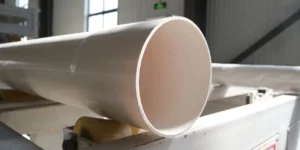
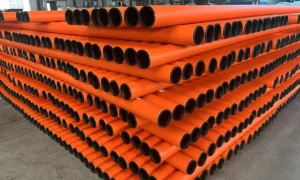
PPR pipe, also known as Polypropylene Random Copolymer pipe or PP-R pipe (and sometimes called “Type 3 polypropylene pipe”), has revolutionized modern plumbing and water supply systems since its introduction in Europe in the late 1980s . Today, it is the preferred choice for residential and commercial water distribution worldwide.
But what makes PPR pipe so special? How does it compare to traditional PVC or metal pipes? This comprehensive guide covers everything you need to know about PPR pipe, including its unique properties, key applications, installation methods, and how to select the right pipe for your project.
What Is PPR Pipe?
PPR stands for Polypropylene Random Copolymer. It is a type of plastic pipe created by randomly copolymerizing propylene with a small amount of ethylene (typically 1-4%) during the synthesis process . This random copolymerization gives the material its exceptional properties .
Key Characteristics
How Is PPR Pipe Manufactured?
PPR pipe is produced through an extrusion process using specially designed polypropylene random copolymer resin. The material undergoes polymerization technology that ensures :
- Excellent long-term hydrostatic pressure resistance
- Heat stability
- Enhanced stiffness and impact strength balance
- Chemical stability
The resulting pipes and fittings meet rigorous international standards including :
- DIN 8078 (Germany)
- ISO/DIS 15874-2 (International)
- GB/T 18742 (China)
- NSF/ANSI 14 and FDA 21 CFR 177.1520 for food contact
PPR vs. PVC: Key Differences
One of the most common questions is how PPR compares to PVC. While both are plastic pipes, they serve very different purposes :
In simple terms: PPR pipes are used inside buildings for drinking water supply (both hot and cold); PVC pipes are used outside or for drainage .
Advantages of PPR Pipes
PPR pipes offer significant advantages over both traditional metal pipes and other plastic alternatives:
1. Exceptional Longevity
When operating at 70°C and 1.0 MPa pressure, PPR pipe has a design life of 50 years or more . At room temperature (20°C), the service life can exceed 100 years .
2. Excellent Thermal Performance
- Heat resistant: Handles up to 95°C for short periods; continuous use at 70°C
- Thermal insulation: Thermal conductivity is only 1/200 of steel, providing excellent energy efficiency for hot water systems without needing additional insulation
3. Superior Hygienic Properties
PPR pipes are non-toxic and contain no heavy metals or harmful substances . They:
- Do not rust, corrode, or scale
- Resist bacterial growth
- Meet strict drinking water standards including NSF/ANSI 14 and FDA requirements
- Do not affect the taste or odor of water
4. Reliable Joints
PPR pipes are joined using thermal fusion welding (heat fusion). The pipes and fittings are heated and fused together, creating a seamless, permanent connection that is stronger than the pipe itself . This eliminates leak points and ensures near-zero failure rates.
5. Lightweight
With a density of 0.90 g/cm³, PPR pipe weighs approximately:
This reduces transportation costs and installation effort .
6. Smooth Interior Surface
PPR pipes have very low friction resistance, reducing pressure loss and ensuring efficient water flow. Flow capacity is reportedly up to 30% higher than metal pipes of the same diameter .
7. Chemical Resistance
PPR is chemically stable and resists corrosion from most acids, bases, and salts found in water systems .
8. Environmentally Friendly
PPR is recyclable and can be reprocessed up to 10% without affecting product quality. The production, installation, and use process does not pollute the environment .
Disadvantages of PPR Pipes
While PPR is an excellent material, it does have limitations:
Applications of PPR Pipes
PPR pipes are widely used in:
Residential & Commercial Buildings
- Hot and cold water supply systems
- Radiator connecting pipes (heating)
- Underfloor heating systems
- Air conditioning systems
- Pure water systems (drinking water, mineral water)
Industrial Applications
- Food and beverage processing
- Chemical and pharmaceutical transportation
- Compressed air systems
- Cooling water circulation
Infrastructure
- Swimming pool piping
- Central heating networks
- Solar water heating systems
PPR Pipe Size and Pressure Rating
PPR pipes are classified by SDR (Standard Dimension Ratio) or Pipe Series (S) . Lower SDR values mean thicker walls and higher pressure ratings .
Typical PPR Pipe Sizes (SDR / S Series)
| Nominal Diameter (dn, mm) | S5 (1.2 MPa) | S4 (1.6 MPa) | S3.2 (2.0 MPa) | S2.5 (2.5 MPa) |
|---|---|---|---|---|
| 20 | 2.0 mm | 2.3 mm | 2.8 mm | 3.4 mm |
| 25 | 2.3 mm | 2.8 mm | 3.5 mm | 4.2 mm |
| 32 | 2.9 mm | 3.6 mm | 4.4 mm | 5.4 mm |
| 40 | 3.7 mm | 4.5 mm | 5.5 mm | 6.7 mm |
| 50 | 4.6 mm | 5.6 mm | 6.9 mm | 8.3 mm |
| 63 | 5.8 mm | 7.1 mm | 8.6 mm | 10.5 mm |
Source: Industry standard specifications
Selection Guide
| Application | Recommended Series |
|---|---|
| Cold water only | S5 or S4 |
| Hot water (≤70°C, residential) | S3.2 or S2.5 |
| Hot water (high pressure / commercial) | S2.5 |
For residential use, most installers recommend S3.2 or S2.5 series pipes to ensure adequate durability and safety margin .
Common Plumbing Sizes
In home plumbing applications:
- 20 mm (4分管) — Common for standard fixtures
- 25 mm (6分管) — Recommended for main water supply to reduce pressure drop
- 32 mm (1寸管) — For larger multi-fixture installations
Practical tip: For modern homes with multiple simultaneous water uses, many plumbers recommend using 25 mm (6分管) for the main incoming cold water line to minimize pressure loss .
Installation Method: Thermal Fusion Welding
One of PPR’s key advantages is its reliable connection method:
Step-by-Step Process
- Cut the pipe to length using a proper pipe cutter.
- Mark the insertion depth on the pipe.
- Heat the pipe end and the fitting simultaneously using a hot-melt welding tool (heat gun) at the correct temperature (typically 260°C).
- Insert the pipe into the fitting with a straight, firm motion within the specified time.
- Hold the joint in position for several seconds to allow the material to fuse.
- Cool the joint completely before pressure testing.
Result: A homogeneous, seamless joint that is stronger than the pipe itself — no gaskets, adhesives, or threaded joints to leak .
What to Look for When Buying PPR Pipes
1. Color
PPR pipes come in various colors (white, gray, green, and beige). The color comes from added masterbatch and does not affect performance. However, white pipes are generally recommended because some unethical manufacturers use recycled materials and hide impurities with dark pigments .
2. Brand & Quality
Reputable brands with good quality control are essential. Counterfeit or low-quality PPR pipes may:
- Use recycled or contaminated material
- Have inconsistent wall thickness
- Fail prematurely under pressure
- Leach harmful substances
Always purchase from known manufacturers and request quality certifications .
3. Certifications
Look for pipes that comply with:
- NSF/ANSI 14 (drinking water safety)
- DIN 8077/8078 (Germany)
- GB/T 18742 (China)
- ISO 15874 (International)
- FDA 21 CFR 177.1520 (food contact)
4. Installation Recommendations
- All PPR connections require hot-melt welding. Hiring a professional installer is strongly recommended .
- For peace of mind, many installers recommend using hot water-rated pipes for all applications (both hot and cold lines) since the price difference is minimal and performance is superior .
- The pipe support spacing for PPR is larger than for metal pipes due to its rigidity .
Frequently Asked Questions (FAQ)
Q1: Can PPR pipe be used outdoors?
A: Not without UV protection. PPR degrades when exposed to direct sunlight. For outdoor applications, use UV-resistant pipes, paint the pipe, or cover it with insulation .
Q2: Is PPR pipe safe for drinking water?
A: Yes. PPR contains only carbon and hydrogen atoms — no toxic or heavy metal elements. It meets NSF, FDA, and international drinking water standards .
Q3: How long does PPR pipe last?
A: At 70°C, 1.0 MPa: 50+ years. At 20°C: 100+ years .
Q4: Can I connect PPR to metal pipes?
A: Yes — transition fittings (brass or copper adapters) are available for connecting PPR to metal or other materials.
Q5: Why are PPR fittings expensive?
A: PPR fittings require high-quality injection-molded material and more complex molds than PVC fittings. Additionally, the material is more expensive, and the thermal fusion application requires precise tolerances .
Q6: Which is better — PPR or copper pipe?
A: Both have their places. PPR is cheaper, lighter, easier to install (with proper tools), and doesn’t corrode. Copper has higher heat tolerance and is more durable in certain applications. PPR has largely replaced copper in residential plumbing due to cost-effectiveness .
Q7: What is “SDR” or “S” series?
A: These refer to the wall thickness and pressure rating of the pipe. S3.2 and S2.5 series are recommended for hot water. Lower numbers mean thicker walls and higher pressure ratings .
Q8: Can PPR handle high pressure?
A: Yes — depending on the SDR, PPR pipes can handle up to 2.5 MPa (25 bar / 362 psi) at room temperature.
Q9: What’s the difference between PPR and PPRC?
A: PPRC stands for Polypropylene Random Copolymer — it’s the same material. PPR is the common shorthand .
Q10: Can I use PPR for gas?
A: PPR is primarily designed for water applications. For gas lines, use specialized gas-certified pipes.
Conclusion
PPR pipe (Polypropylene Random Copolymer) represents a significant advancement over traditional materials for water distribution systems. Its combination of non-toxic composition, thermal resistance, mechanical durability, and reliable thermal fusion joints makes it the preferred choice for modern residential and commercial plumbing.