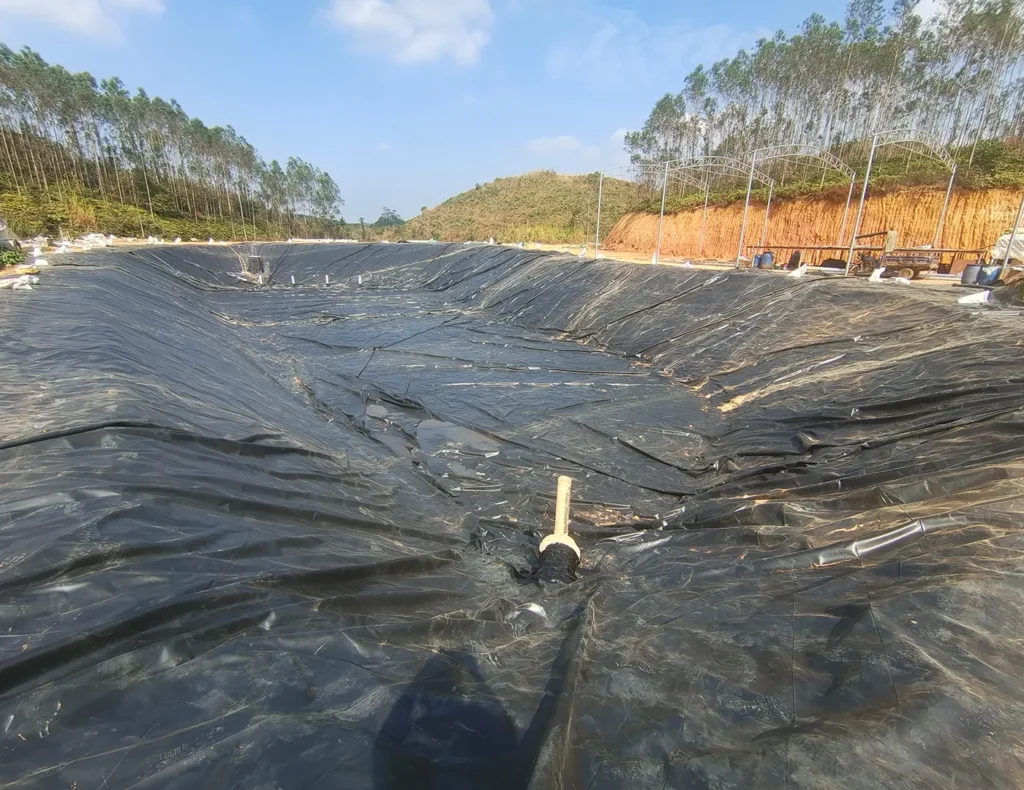

PE Pipe
For water supply, fire protection, mining, chemical industry, and wires.

PVC Pipe
Irrigation pipe, water pipe, drainage pipe, chemical industry, threading pipe.

PPR Pipe
Drainage, gas, water supply, heating and floor heating.

HDPE Steel Wire Mesh Skeleton Composite Pipe
PE water supply, fire protection, mining, chemical wire mesh skeleton pipe

PE Threading Pipe
PE conduit is a tube made of polyethylene material specially used to protect wires.

PE Gas Pipe
PE gas pipes have excellent corrosion resistance, flexibility and impact resistance.

MPP Threading Pipes
It can effectively block current, prevent cable leakage, and ensure the safety of power transmission.

HDPE Geothermal Heat Pump Pipe System
HDPE Geothermal Heat Pump Pipe System.

PE Siphon Pipe
A siphon is a tubular device that uses liquid gravity and atmospheric pressure to allow liquid to flow over high obstacles.
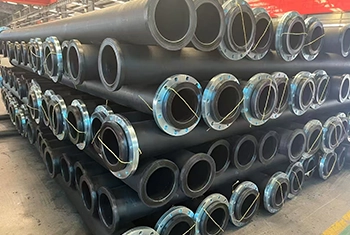
PE Mining Pipe
PE mining pipes have become the leader in the field of mining transportation due to a series of unique characteristics.
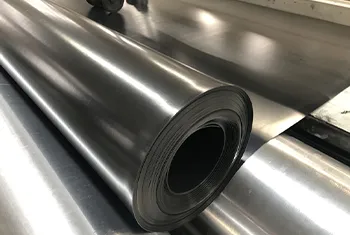
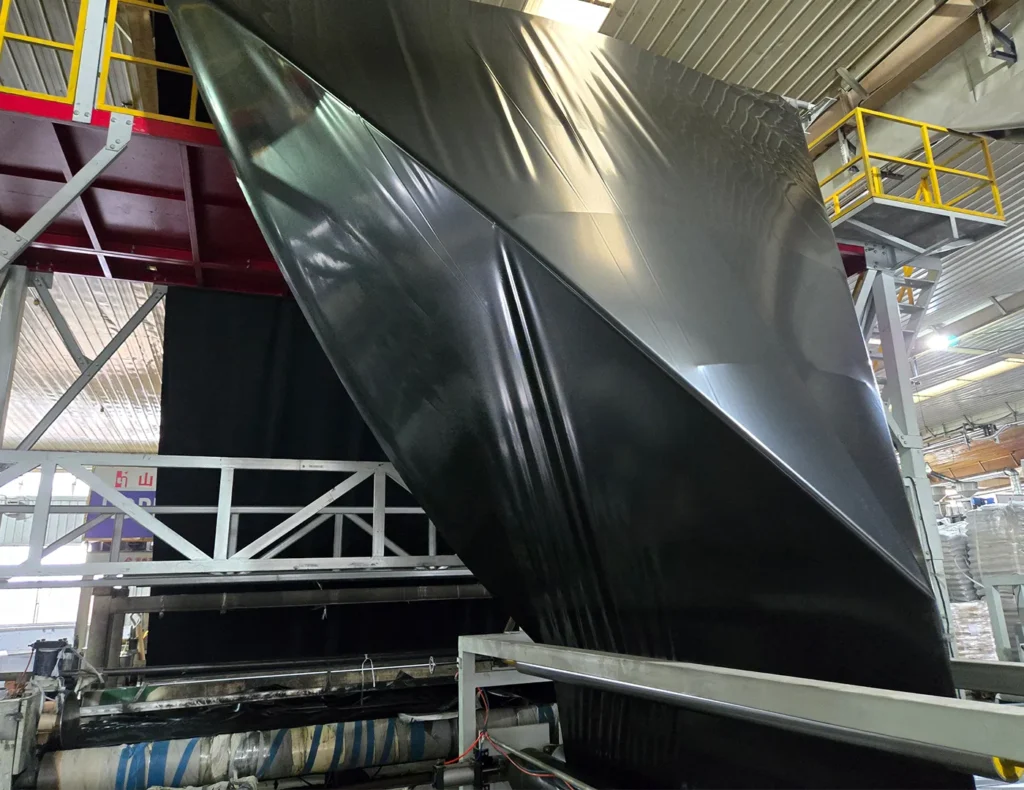
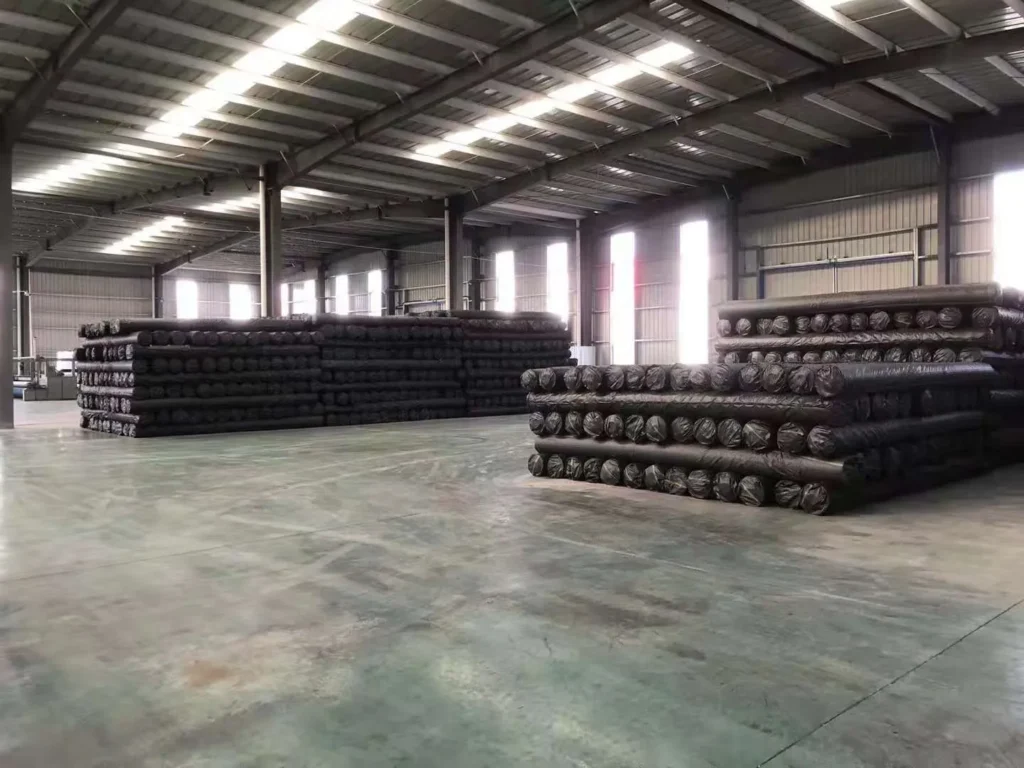
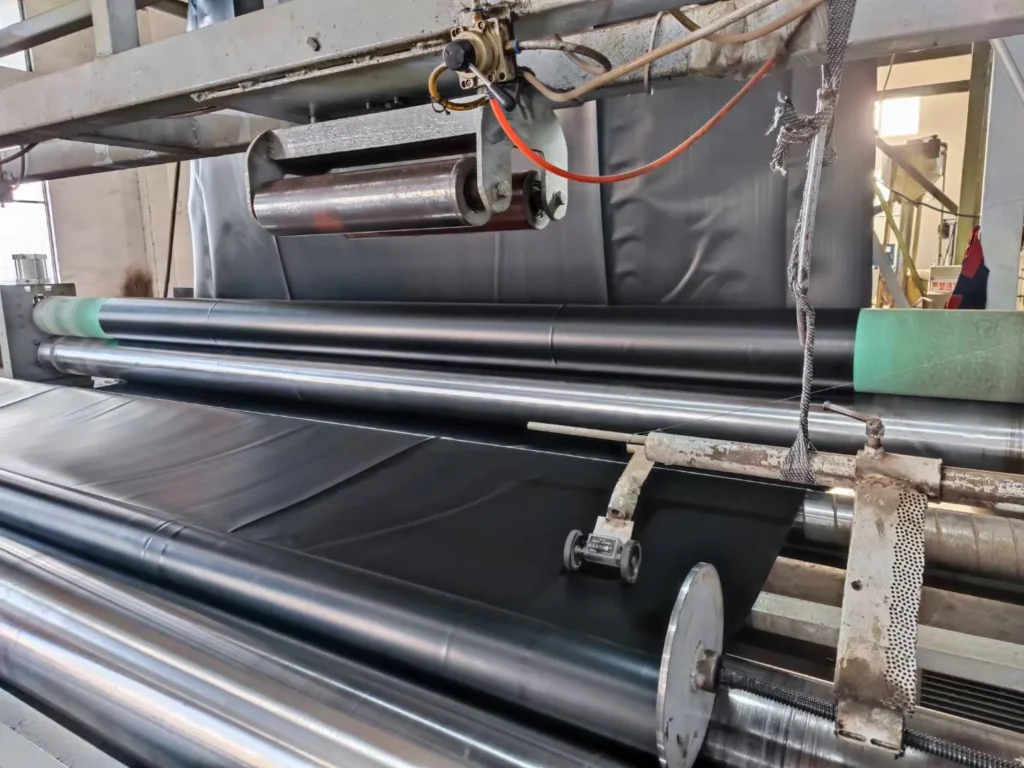
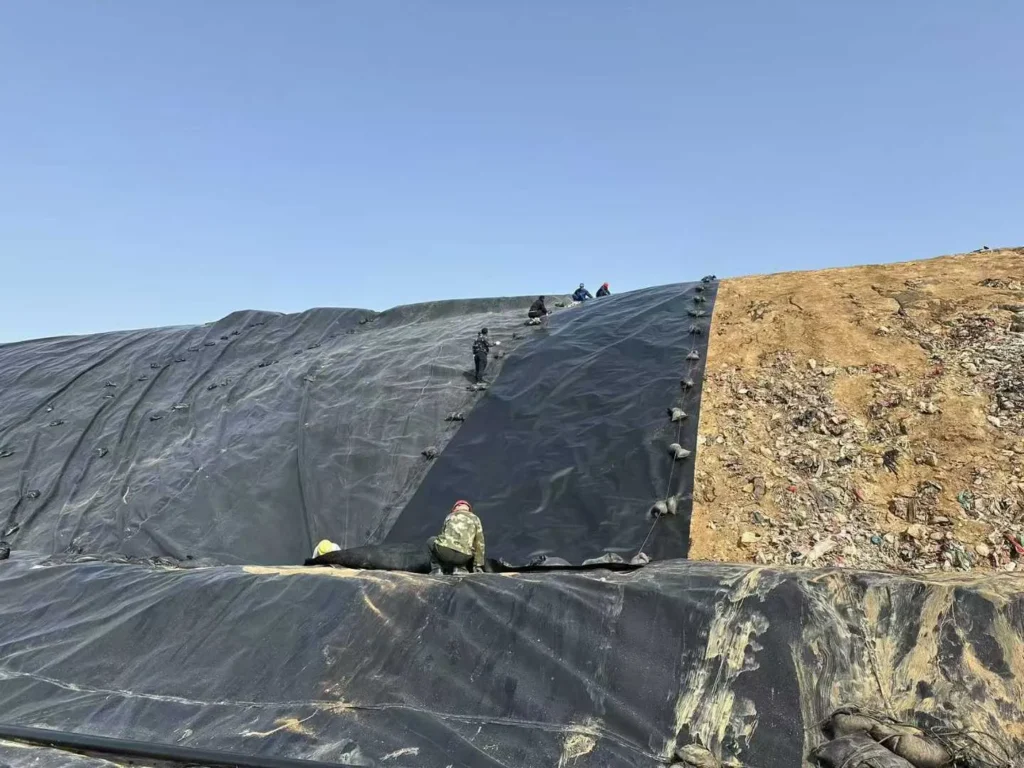
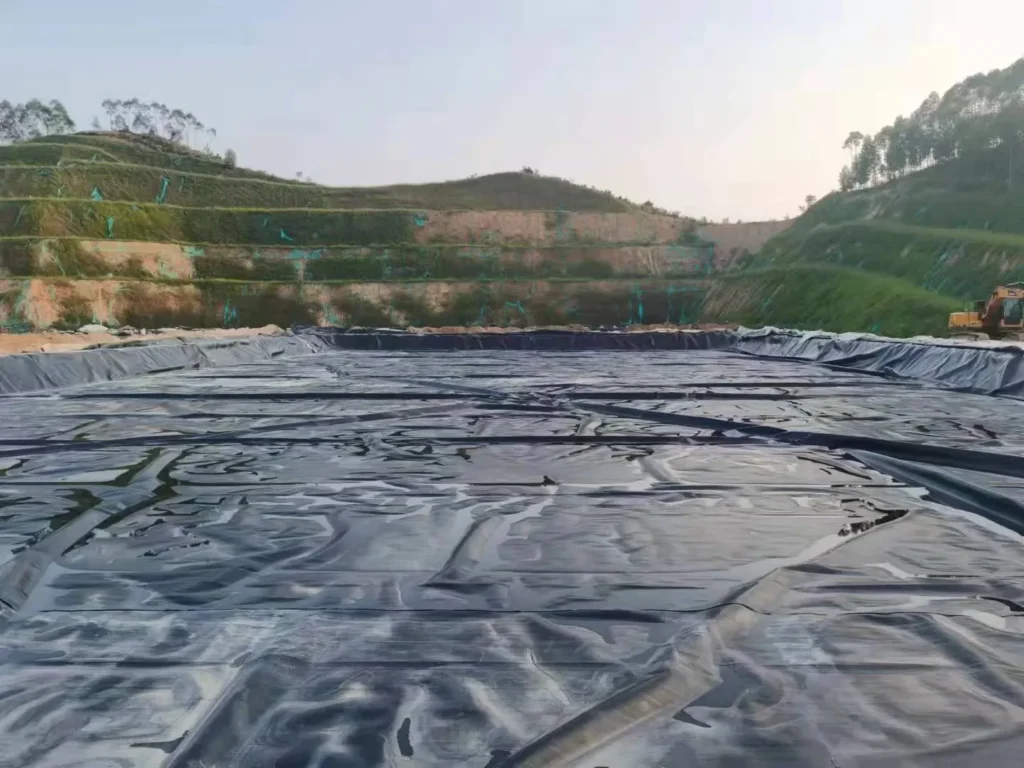
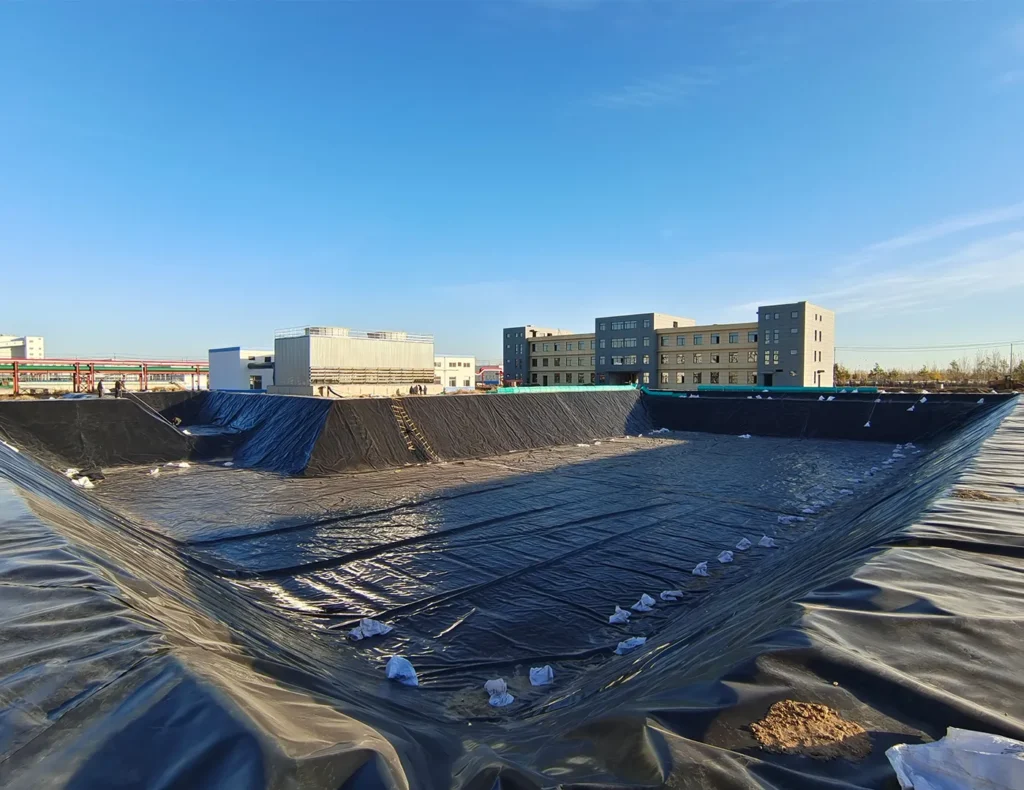
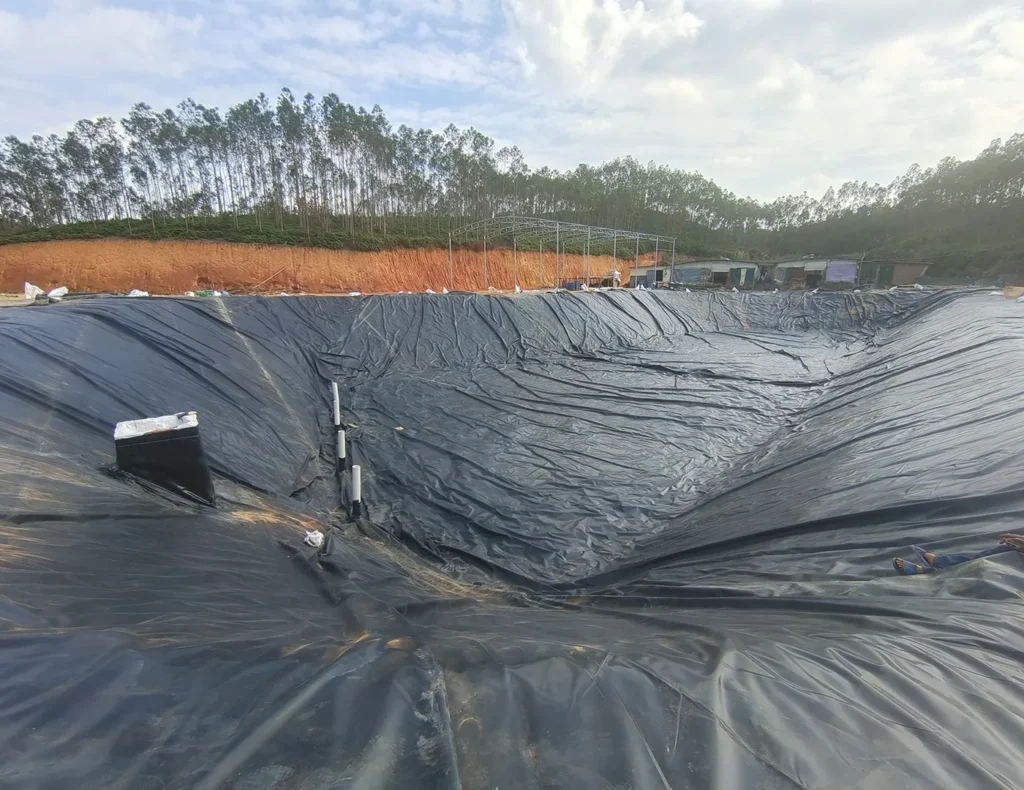
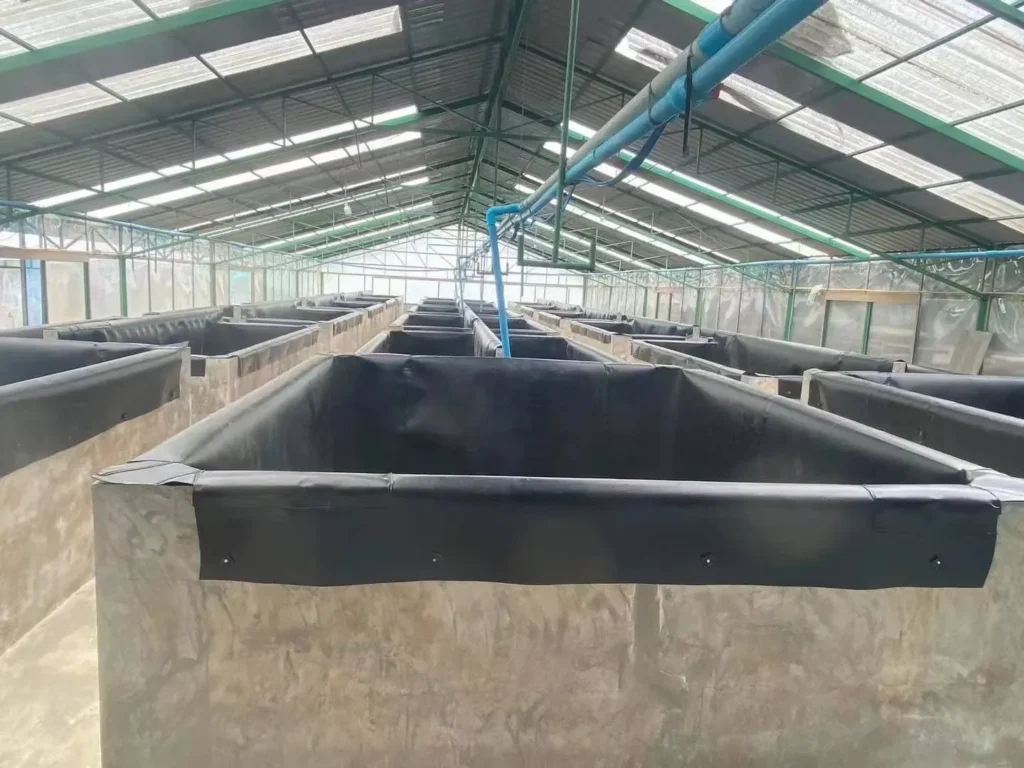
HDPE Geomembrane
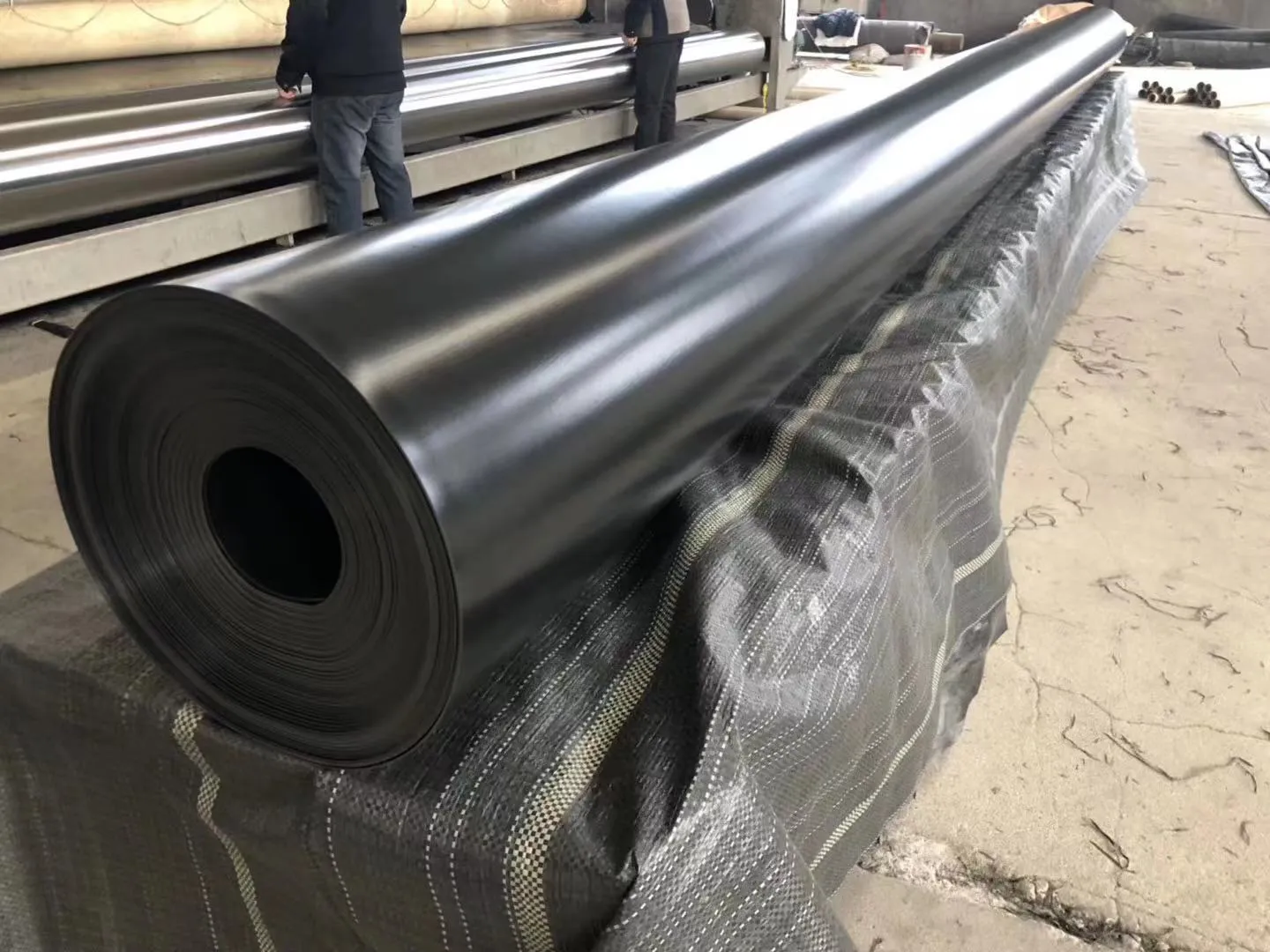
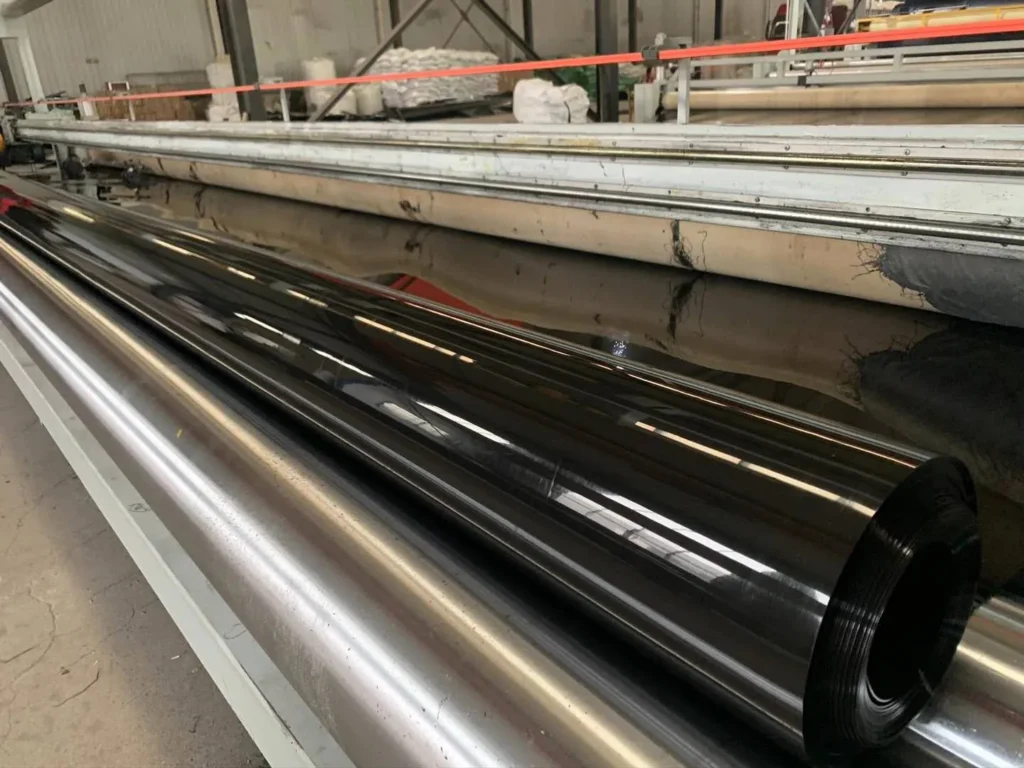
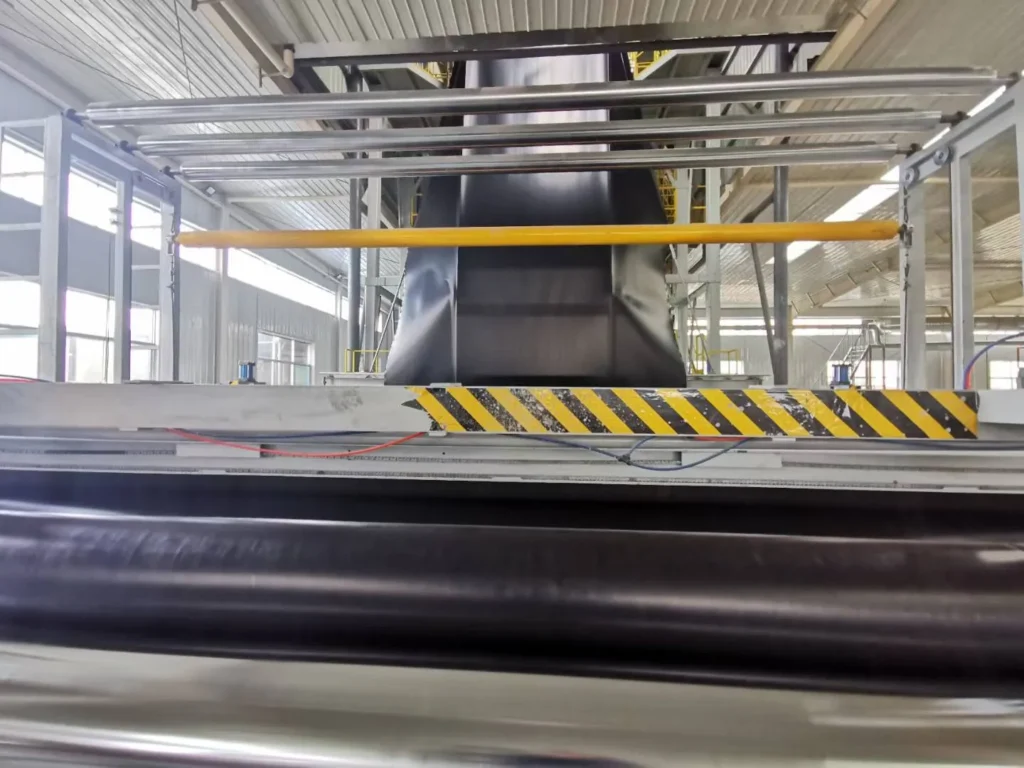
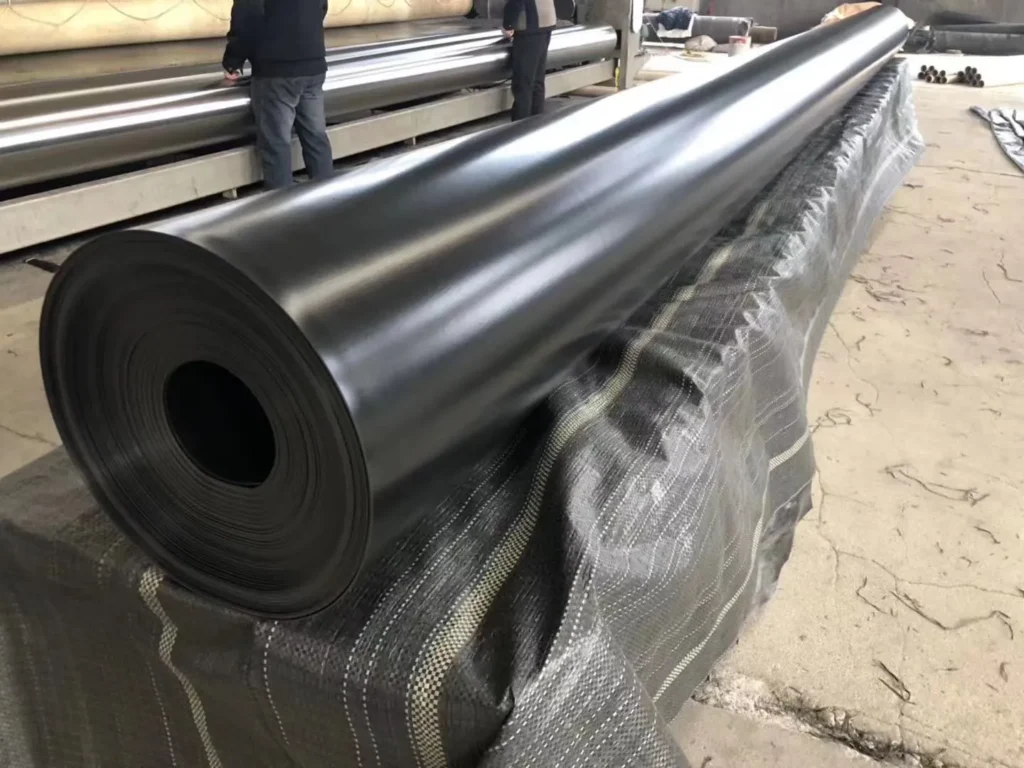
HDPE Geomembrane (High Density Polyethylene Geomembrane) is a high-performance impermeable geosynthetic liner.
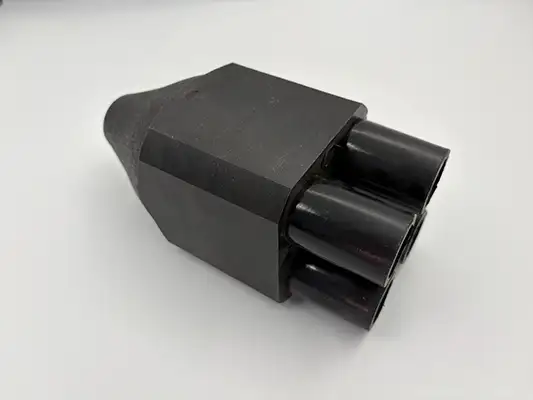
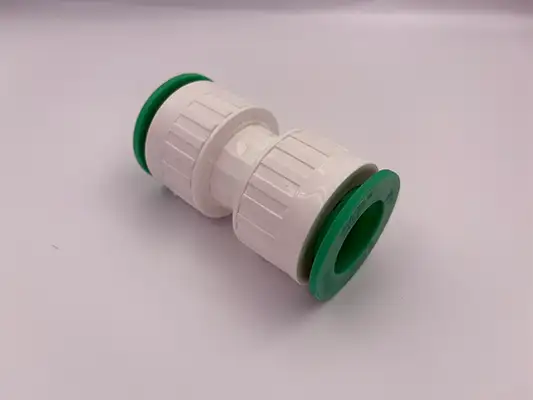
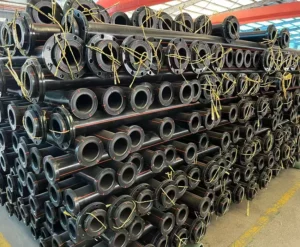
PE Siphon Pipe Production Process: From Raw Material to Finished Pipe
PE siphon pipes are high-density polyethylene (HDPE) pipes engineered specifically for siphon drainage systems—the high-efficiency rainwater removal systems used in […]
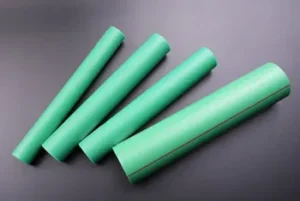
PPR Pipe Production Process: From Raw Material to Finished Pipe
PPR (Polypropylene Random Copolymer) pipe manufacturing is a continuous extrusion process that transforms polypropylene random copolymer pellets into finished pipes […]
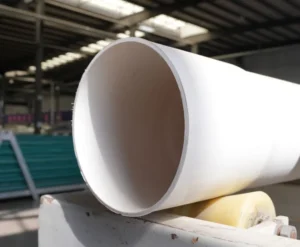
PVC Pipe Production Process: From Raw Material to Finished Pipe
PVC pipe manufacturing is a highly continuous and automated extrusion process. From PVC resin powder to the final finished pipe, […]