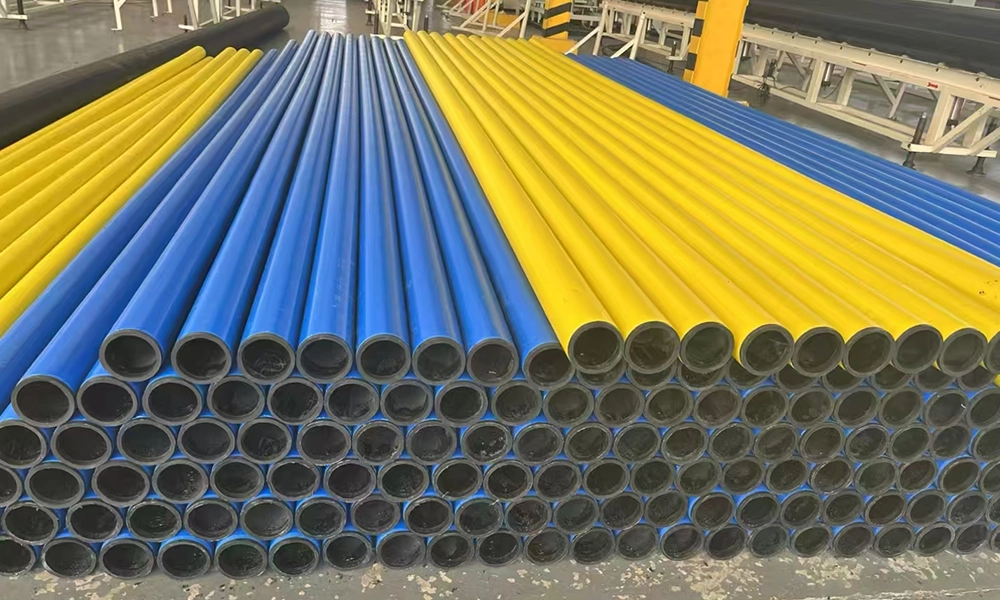
Every plumbing, industrial, and irrigation system relies on a critical but often overlooked component: pipe fittings. These essential connectors join sections of pipe, change flow direction, adapt pipe sizes, and control fluid movement throughout a system.
Without the right fittings, even the highest quality pipe is useless. Whether you are a plumber, an engineer, a contractor, or a DIY homeowner, understanding pipe fittings is essential for designing, installing, and maintaining any piping system.
This comprehensive guide covers everything you need to know: types of fittings, materials, connection methods, industry standards, and how to select the right fitting for your application.
What Are Pipe Fittings?
Pipe fittings are components used to connect, terminate, control, or change the direction of piping systems. They are manufactured in a vast array of shapes, sizes, materials, and pressure ratings to suit different applications.
Basic Terminology:
- Nominal Pipe Size (NPS): Standardized size designation (e.g., 1/2″, 2″, 4″)
- Schedule (SCH): Wall thickness designation (SCH 40, SCH 80, etc.)
- Threaded: Fittings with tapered threads (NPT, BSPT)
- Socket Weld: Fittings with a socket for inserting pipe
- Butt Weld: Fittings welded directly to pipe ends
- Pressure Rating: Maximum operating pressure (psi or bar)
Key Characteristics:
| Parameter | Range |
|---|---|
| Size range | 1/8″ to 48″ (3mm to 1200mm) |
| Pressure ratings | 150 to 10,000+ psi |
| Temperature range | -50°F to 1,200°F (-45°C to 650°C) |
| Materials | Metal, plastic, ceramic, rubber |
Classification of Pipe Fittings
Pipe fittings can be classified by three main characteristics:
1. By Function
- Direction change: Elbows, bends
- Branching: Tees, crosses, wyes
- Size reduction: Reducers, bushings
- Connection: Couplings, unions, flanges
- Termination: Caps, plugs
- Flow control: Valves (covered separately)
2. By Connection Method
- Threaded
- Welded (butt weld, socket weld)
- Flanged
- Push-fit / mechanical
- Solvent cement (plastic)
- Compression
3. By Material
- Metal (steel, stainless, copper, brass)
- Plastic (PVC, CPVC, PEX, ABS)
- Other (fiberglass, rubber, concrete)
Complete Guide to Pipe Fitting Types
1. Elbows – Changing Direction
Elbows are the most common fittings, used to change flow direction by a specific angle.
| Angle | Common Uses |
|---|---|
| 45° Elbow | Gentle direction change, lower pressure drop |
| 90° Elbow | Standard right-angle turn |
| 180° Return Bend | U-turn flow reversal |
Radius Options:
- Short Radius (SR): 1 x pipe diameter (tight turn, higher pressure drop)
- Long Radius (LR): 1.5 x pipe diameter (standard, lower pressure drop)
- Extra Long Radius: 3x, 4x, 5x diameter (minimum turbulence)
Street Elbow: One end has male threads, the other female. Allows direct connection without an extra nipple.
2. Tees – Creating Branches
Tees have three openings: one inlet and two outlets (or vice versa).
| Type | Description | Best For |
|---|---|---|
| Straight Tee | All three openings same size | Equal distribution |
| Reducing Tee | Branch outlet smaller than run | Connecting smaller line to main |
| Cross | Four openings (rare) | Sprinkler systems, manifolds |
Note: When flow splits at a tee, pressure loss occurs. Use wyes for smoother branching in drainage.
3. Reducers – Changing Pipe Size
Reducers connect pipes of different diameters.
| Type | Shape | Flow Characteristics | Best For |
|---|---|---|---|
| Concentric Reducer | Cone-shaped, centered | Smooth transition | Vertical lines, pumps |
| Eccentric Reducer | Offset, flat on one side | Prevents air/vapor pockets | Horizontal lines, pump suction |
Why eccentric reducers matter: In horizontal piping, concentric reducers can trap air at the top. Eccentric reducers keep the top flat, allowing air to escape.
4. Couplings and Unions – Joining Pipe
| Fitting | Connection | Removable? | Best For |
|---|---|---|---|
| Standard Coupling | Threaded/socket | No | Permanent straight connections |
| Full Coupling | Threaded both ends | No | Joining two pipes |
| Half Coupling | Threaded one end | No | Welding to larger pipe (branch outlet) |
| Union | Threaded with nut | Yes | Locations requiring disassembly |
| Repair Coupling | Slip coupling (no stop) | No | Repairing damaged pipe sections |
Union advantage: Allows pipe disconnection without cutting. Essential for equipment connections (pumps, valves, meters).
5. Caps and Plugs – Terminating Flow
| Fitting | Location | Installation |
|---|---|---|
| Cap | Fits over pipe end | Female threads or socket |
| Plug | Fits inside fitting | Male threads |
Use cases:
- Temporary system closures
- Permanent dead ends
- Testing pressure (with threaded cap)
- Future expansion points (plugged tee)
6. Flanges – Connecting Large Pipes
Flanges are flat, circular connectors bolted together with a gasket in between.
Common Flange Types:
| Type | Description | Application |
|---|---|---|
| Weld Neck | Tapered hub, welded to pipe | High pressure, high temperature |
| Slip-On | Slides over pipe, welded inside & out | Low-medium pressure |
| Blind | Solid disc with bolt holes | Closing pipe end |
| Socket Weld | Pipe inserts into flange | Small diameter, high pressure |
| Threaded | Screws onto threaded pipe | Low pressure, explosive fluids (no welding) |
| Lap Joint | Used with stub end | Systems requiring frequent disassembly |
Flange Pressure Classes (ASTM):
150, 300, 600, 900, 1500, 2500 (higher number = higher pressure rating)
Face Types:
- Raised Face (RF): Standard, gasket sits on raised area
- Flat Face (FF): Flat surface, for low pressure
- Ring Type Joint (RTJ): Groove for metal gasket, high pressure
7. Bushings and Nipples – Adapting Connections
| Fitting | Function |
|---|---|
| Bushing | Reduces size inside a fitting (e.g., 1″ female to 1/2″ male) |
| Hex Bushing | Hexagonal center for wrench tightening |
| Nipple | Short piece of threaded pipe (close, short, long) |
8. Specialty Fittings
| Fitting | Function | Common Use |
|---|---|---|
| Wye (Y-fitting) | 45° branch for smoother flow | Drainage, waste lines |
| Trap | P-trap or S-trap for sewer gas seal | Sinks, toilets, floor drains |
| Cleanout | Removable plug for drain access | Sewer lines, waste stacks |
| Adapter | Changes connection type (e.g., threaded to solvent weld) | Transitioning pipe materials |
| Expansion Joint | Absorbs thermal expansion/contraction | Long pipe runs, hot water lines |
Pipe Fitting Materials: Pros, Cons, and Applications
Metal Fittings
Carbon Steel
| Property | Detail |
|---|---|
| Grades | ASTM A105 (forged), A234 WPB (butt weld) |
| Pressure rating | Up to 6,000+ psi |
| Temperature range | -20°F to 1,000°F |
| Pros | Strong, durable, cost-effective |
| Cons | Rusts without coating |
| Best for | Steam, gas, oil, high-pressure water |
Stainless Steel (304, 316)
| Property | Detail |
|---|---|
| Pressure rating | Up to 10,000 psi |
| Temperature range | -325°F to 1,200°F |
| Pros | Corrosion resistant, sanitary, aesthetic |
| Cons | Expensive (3-5x carbon steel) |
| Best for | Food processing, pharmaceutical, marine, chemical |
Brass
| Property | Detail |
|---|---|
| Pressure rating | Up to 1,000 psi |
| Temperature range | -20°F to 400°F |
| Pros | Corrosion resistant, easy to machine, attractive |
| Cons | Soft, can strip threads |
| Best for | Plumbing fixtures, compressed air, fuel lines |
Copper
| Property | Detail |
|---|---|
| Connection | Solder, braze, or press-fit |
| Pros | Naturally antimicrobial, corrosion resistant |
| Cons | Expensive, requires skilled installation |
| Best for | Potable water, HVAC refrigerant lines |
Plastic Fittings
PVC (Polyvinyl Chloride)
| Property | Detail |
|---|---|
| Schedule | 40 (standard), 80 (heavy duty) |
| Max temperature | 140°F (60°C) |
| Connection | Solvent cement (glue) |
| Pros | Cheap, lightweight, corrosion proof |
| Cons | Brittle in cold, UV sensitive |
| Best for | Cold water, drainage, irrigation, pools |
CPVC (Chlorinated PVC)
| Property | Detail |
|---|---|
| Max temperature | 200°F (93°C) |
| Connection | Solvent cement (yellow/orange primer) |
| Pros | Handles hot water, affordable |
| Cons | More brittle than PVC |
| Best for | Residential hot and cold water |
PEX (Cross-linked Polyethylene)
| Property | Detail |
|---|---|
| Max temperature | 200°F (93°C) |
| Connection | Crimp, clamp, or push-fit |
| Pros | Flexible (bends 90° without fittings), freeze resistant |
| Cons | Cannot be used outdoors (UV damage) |
| Best for | Residential plumbing, radiant heating |
ABS (Acrylonitrile Butadiene Styrene)
| Property | Detail |
|---|---|
| Max temperature | 180°F (82°C) |
| Connection | Solvent cement (black glue) |
| Pros | Tough, impact resistant, works in cold |
| Cons | Not for pressurized systems (mainly DWV) |
| Best for | Drain, waste, vent (DWV) systems |
Connection Methods Explained
Threaded Connections
Thread Standards:
| Standard | Region | Thread Angle | Sealing |
|---|---|---|---|
| NPT (National Pipe Taper) | North America | 60° | Taper seals by interference |
| NPTF (Dryseal) | North America | 60° | Seals without sealant |
| BSPT (British Standard Pipe Taper) | UK, Europe, Asia | 55° | Requires sealant |
| BSPP (Parallel) | UK, Europe, Asia | 55° | Requires washer or gasket |
Installation tips:
- Apply Teflon tape (3-5 wraps) or pipe dope to male threads
- Do not over-tighten (can crack fittings, especially brass)
- Hand-tight + 1-2 turns with wrench is standard
Welded Connections
| Method | Pipe Prep | Strength | Best For |
|---|---|---|---|
| Butt Weld | Beveled ends | Full strength (100%) | Large pipes, high pressure |
| Socket Weld | Square cut, insert into socket | Good (80-90%) | Small pipes (<2″) |
| Threaded | Threaded ends | Moderate (60-70%) | Low-medium pressure |
Flanged Connections
Components:
- 2 flanges (one on each pipe end)
- Gasket (rubber, PTFE, spiral wound, etc.)
- Bolts and nuts (usually 4, 8, 12, or 16)
Torque sequence: Cross-pattern (like tightening lug nuts on a car wheel)
Push-Fit / Mechanical
- No tools required (or just a disconnect clip)
- O-ring creates watertight seal
- Examples: SharkBite, Uponor, John Guest
- Excellent for DIY repairs and tight spaces
How to Choose the Right Pipe Fitting
7 Key Selection Factors
1. Fluid Type
| Fluid | Recommended Material |
|---|---|
| Water (potable) | Copper, CPVC, PEX, stainless |
| Drainage (waste) | PVC, ABS, cast iron |
| Natural gas | Black steel, brass |
| Oil / fuel | Carbon steel, stainless |
| Chemicals | Stainless 316, PVC, CPVC (check compatibility) |
| Steam | Carbon steel, stainless |
| Compressed air | Brass, black steel, aluminum |
2. Pressure Rating
- Low pressure (<150 psi): PVC, ABS, copper DWV
- Medium pressure (150-300 psi): Schedule 40 PVC, brass
- High pressure (300-1,000 psi): Schedule 80 PVC, carbon steel
- Very high (>1,000 psi): Forged steel, stainless, threaded
3. Temperature
- Cold water only (<140°F): PVC
- Hot water (140-200°F): CPVC, PEX, copper, steel
- High temperature (200-1,000°F): Carbon steel, stainless
4. Corrosion Environment
- Indoor, dry: Any material
- Outdoor, humid: Galvanized steel, stainless, PVC
- Coastal (salt air): Stainless 316, PVC, brass
- Underground: PVC, HDPE, ductile iron (wrapped)
5. Installation Skill Level
- DIY homeowner: Push-fit, compression, PVC glue
- Professional plumber: Soldered copper, threaded steel, PEX crimp
- Industrial contractor: Welded steel, flanged connections
6. Code Compliance
Always check local plumbing codes. Some areas restrict:
- PVC for hot water
- Brass for potable water (leaching concerns)
- ABS for pressurized systems
7. Cost
| Material | Relative Cost (1 = cheapest) |
|---|---|
| PVC | 1 |
| ABS | 1.5 |
| Galvanized steel | 2 |
| Copper | 3-4 |
| Brass | 4-5 |
| Stainless steel | 5-6 |
Pipe Fitting Standards and Markings
Common Standards by Region
| Region | Standard | Typical Marking |
|---|---|---|
| USA | ASTM, ASME B16, MSS | “A105”, “WPB”, “150#”, “3000#”, “NPT” |
| Europe | EN, DIN | “EN 10253”, “DIN 2605”, “PN16”, “PN40” |
| China | GB/T | “GB/T 12459”, “GB/T 14383” |
| Japan | JIS | “JIS B2311”, “JIS B2312” |
| International | ISO | “ISO 3419” |
What to Look For on a Fitting
Carbon Steel Threaded Fitting Marking Example:
text
1" - 3000# - A105 - NPT
Meaning: 1 inch, 3,000 pound pressure class, ASTM A105 material, National Pipe Taper threads
Butt Weld Fitting Marking Example:
text
4" - SCH 40 - LR 90° - A234 WPB
Meaning: 4 inch, Schedule 40 wall, Long Radius 90° elbow, ASTM A234 WPB material
Common Pipe Fitting Mistakes to Avoid
❌ Mixing Thread Types
NPT and BSPT look similar but have different thread angles (60° vs 55°). They will leak.
- Solution: Use correct adapter or know your regional standard.
❌ Over-tightening Threads
Brass and plastic fittings crack easily.
- Solution: Hand-tight + 1-2 wrench turns. Stop if resistance increases suddenly.
❌ Wrong Schedule for Pressure
Using SCH 10 (thin wall) for high pressure.
- Solution: Match fitting schedule to pipe schedule.
❌ Missing Gaskets on Flanges
Metal-to-metal contact leaks.
- Solution: Always use correct gasket material (rubber for water, PTFE for chemicals, spiral wound for high temp).
❌ No Thread Sealant on Tapered Threads
NPT and BSPT rely on sealant to fill the spiral leak path.
- Solution: Teflon tape (3-5 wraps) or pipe dope.
❌ Using PVC for Hot Water
PVC softens at 140°F, fails at higher temperatures.
- Solution: CPVC, PEX, or copper for hot water.
❌ Wrong Reducer Orientation
Concentric reducer in horizontal steam line traps condensate (water hammer risk).
- Solution: Eccentric reducer with flat side up for steam/gas.
Pipe Fitting Sizing and Measurement
How to Measure Threaded Pipe Fittings
Male Thread:
- Measure outer diameter (OD) of threads
- Compare to standard chart
Female Thread:
- Measure inner diameter (ID) of threads
- Or measure fitting across flats (wrench size)
Nominal Size Reference:
| Nominal Size | Actual OD (male NPT) | Threads per inch |
|---|---|---|
| 1/8″ | 0.405″ | 27 |
| 1/4″ | 0.540″ | 18 |
| 3/8″ | 0.675″ | 18 |
| 1/2″ | 0.840″ | 14 |
| 3/4″ | 1.050″ | 14 |
| 1″ | 1.315″ | 11.5 |
| 1-1/4″ | 1.660″ | 11.5 |
| 1-1/2″ | 1.900″ | 11.5 |
| 2″ | 2.375″ | 11.5 |
Note: NPT sizes are nominal, not actual. A 1/2″ NPT fitting is approximately 0.84″ OD.
How to Measure Butt Weld Fittings
- Size: Nominal Pipe Size (same as pipe)
- Schedule: Must match pipe schedule for proper wall thickness match
- OD: Matches pipe OD exactly
Installation Best Practices
Threaded Fittings
- Inspect threads for damage (chasing tool if needed)
- Apply Teflon tape clockwise (looking from end)
- 3-5 wraps, avoid first thread (prevents tape entering system)
- Pipe dope over tape for extra sealing
- Hand-tighten, then wrench 1-2 turns
- Pressure test before covering
Solvent Cement (PVC/CPVC)
- Cut square
- Deburr inside and outside
- Clean with primer (purple for CPVC, clear for PVC)
- Apply cement to both pipe and fitting
- Insert with 1/4 turn twist
- Hold for 15-30 seconds
- Allow cure time (per manufacturer: 15 min to 24 hours)
Soldered Copper
- Clean pipe with abrasive cloth (shiny bright)
- Apply flux to pipe and fitting
- Assemble
- Heat fitting (not pipe) with torch
- Touch solder to joint (capillary action pulls it in)
- Wipe excess
- Cool naturally (no water quenching)
Push-Fit
- Cut pipe square
- Remove burrs
- Mark insertion depth (use depth tool)
- Push fully until mark reaches fitting
- Pull test (should not come apart)
Maintenance and Inspection
Signs of Fitting Failure
- Visible corrosion or rust (carbon steel, galvanized)
- Cracks (plastic fittings, brass)
- White powdery residue (oxidation, possible leak)
- Dampness or water stains
- Mineral deposits (white or green crust)
- Reduced flow (internal corrosion or scale)
Inspection Frequency
| Application | Inspection Interval |
|---|---|
| Residential plumbing | Annually |
| Commercial HVAC | Semi-annually |
| Industrial process | Monthly or weekly |
| Gas lines | Annually (professional) |
| Fire sprinkler | Quarterly (NFPA required) |
Cost Comparison Table
| Fitting Type | Material | 1/2″ Price (USD) | 2″ Price (USD) |
|---|---|---|---|
| 90° Elbow | PVC SCH 40 | $0.50 | $3.00 |
| 90° Elbow | Copper (sweat) | $1.50 | $12.00 |
| 90° Elbow | Brass (threaded) | $2.50 | $25.00 |
| 90° Elbow | Carbon steel (threaded) | $1.50 | $15.00 |
| 90° Elbow | Stainless 304 (threaded) | $5.00 | $40.00 |
| Tee | PVC SCH 40 | $0.75 | $5.00 |
| Tee | Copper (sweat) | $2.50 | $18.00 |
| Coupling | PVC SCH 40 | $0.40 | $2.00 |
| Union | Brass (threaded) | $4.00 | $20.00 |
| Flange (slip-on) | Carbon steel | $8.00 (1″) | $20.00 |
Prices are estimates and vary by supplier, quantity, and region.
Conclusion
Pipe fittings are the connective tissue of any piping system. Understanding the different types—elbows, tees, reducers, flanges, couplings, and more—along with material properties and connection methods, is essential for designing safe, efficient, and long-lasting systems.