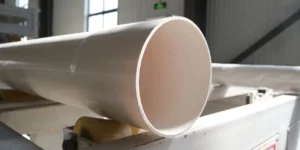
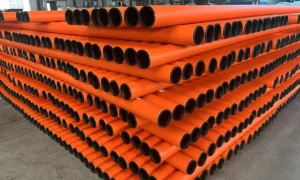
When you think of modern infrastructure, you might imagine steel skyscrapers or copper wiring. However, the unsung hero of the 20th century is arguably PVC pipe. Polyvinyl chloride (PVC) piping has revolutionized plumbing, construction, agriculture, and manufacturing since its commercialization in the 1940s.
Today, PVC is the world’s most widely produced plastic polymer after polyethylene. But why has it replaced traditional materials like iron, copper, and clay in so many applications? This guide covers everything you need to know about PVC pipes, from chemical resistance to installation best practices.
What is PVC Pipe?
PVC pipe is a rigid, lightweight thermoplastic pipe made from a combination of vinyl and plasticizers. Unlike ABS (Acrylonitrile Butadiene Styrene), PVC is highly resistant to chemical degradation and oxidation, making it ideal for transporting water and chemicals.
Key Chemical Facts:
- Material: Polyvinyl Chloride (Thermoplastic)
- Density: 1.38 g/cm³
- Max Operating Temp: 140°F (60°C) – Above this, PVC softens.
- Tensile Strength: Approx. 7,500 psi
The Main Types of PVC Pipe
Not all PVC pipes are created equal. Choosing the wrong type can lead to burst pipes or system failure.
1. Schedule 40 PVC Pipe
This is the standard, all-purpose white pipe found in most hardware stores. It has thinner walls than Schedule 80, making it lighter and more affordable.
- Best for: Residential drainage, cold water supply, vent stacks, and low-pressure irrigation.
2. Schedule 80 PVC Pipe
Easily identified by its dark gray (or sometimes light gray) color and thicker walls. It has the same outer diameter as Schedule 40 but a smaller inner diameter.
- Best for: Industrial applications, high-pressure water lines, chemical processing, and electrical conduits in hazardous locations.
3. CPVC (Chlorinated PVC)
While technically a different compound, CPVC is a close relative. It undergoes an extra chlorination process.
- Best for: Hot water lines (up to 200°F/93°C) and residential potable water systems.
4. DWV PVC (Drain, Waste, Vent)
This is a thin-walled, non-pressure pipe used exclusively for gravity-fed drainage.
- Best for: Sewer lines, sink drains, toilet flanges, and roof vents.
Common Applications of PVC Pipe
Because it does not rust, rot, or corrode, PVC is used in a staggering variety of industries.
1. Residential and Commercial Plumbing
- Water Supply: Transporting cold water from mains to faucets.
- Drainage: Sink, bathtub, and washing machine drains.
- Vent stacks: Removing sewer gases from buildings.
2. Irrigation and Agriculture
- Sprinkler systems: Buried PVC mains and laterals for golf courses and farms.
- Livestock watering: Safe, non-toxic water delivery to animal troughs.
- Aquaculture: Water circulation in fish farms (saltwater safe).
3. Electrical Conduit
PVC is an excellent electrical insulator. Gray Schedule 40/80 conduit protects wires underground or in concrete walls from moisture and impact.
4. Industrial Chemical Transport
PVC’s resistance to strong acids, alkalis, and salt solutions makes it a staple in chemical plants and wastewater treatment facilities.
5. HVAC and Drainage
- Condensate drains: For air conditioning units.
- Stormwater systems: Underground municipal storm drains.
PVC Pipe Sizes and Dimensions (Standard Chart)
PVC pipes are measured by their Nominal Pipe Size (NPS) , not their exact outer diameter.
| Nominal Size | Outer Diameter (OD) | Schedule 40 Inner Diameter (ID) | Schedule 80 Inner Diameter (ID) |
|---|---|---|---|
| 1/2″ | 0.840″ | 0.622″ | 0.546″ |
| 3/4″ | 1.050″ | 0.824″ | 0.742″ |
| 1″ | 1.315″ | 1.049″ | 0.957″ |
| 2″ | 2.375″ | 2.067″ | 1.913″ |
| 4″ | 4.500″ | 4.026″ | 3.826″ |
Tip: Always measure the outer diameter for identification, as printing on the pipe often fades over time.
Advantages of PVC Pipe Over Metal (Copper/Iron)
Why do builders choose plastic over metal?
1. Cost Efficiency
PVC is significantly cheaper than copper, stainless steel, or galvanized iron. Additionally, installation requires no expensive welding equipment or torches.
2. Corrosion Resistance
Copper can develop pinhole leaks due to water acidity. Iron rusts. PVC is inert to most household and industrial chemicals, lasting 50-100 years underground.
3. Lightweight & Easy Installation
A 10-foot length of 2″ PVC pipe weighs about 4 lbs. The same length of steel pipe weighs over 40 lbs. This reduces shipping costs and labor fatigue.
4. Smooth Interior Surface
PVC has a Manning roughness coefficient of 0.009 (very smooth). This means less friction, higher flow rates, and less pumping energy required compared to rusty iron (0.014+).
5. Non-Toxic for Potable Water (with certification)
NSF-61 certified PVC (often blue stripe) is approved for drinking water and does not leach chemicals under normal conditions.
Disadvantages and Limitations
- UV Sensitivity: Standard PVC degrades in direct sunlight. It must be painted with UV-resistant paint or buried if used outdoors.
- Brittleness in Cold: Below 32°F (0°C), PVC becomes more impact-resistant? (Correction: It actually becomes more brittle and can crack if struck hard.)
- Low Heat Tolerance: Cannot be used for boiler drains or hot water lines (use CPVC or PEX for hot water).
- Flammability: PVC is not self-extinguishing and produces toxic fumes (hydrogen chloride) when burned.
How to Join and Install PVC Pipe
Proper installation is critical to prevent leaks.
- Cut: Use a PVC ratchet cutter or fine-toothed saw.
- Deburr: Remove rough edges with a utility knife or deburring tool.
- Clean: Wipe away dust.
- Prime: Apply purple PVC primer to both the pipe end and fitting socket. This softens the surface.
- Cement: Apply PVC cement (solvent weld) to both surfaces.
- Join: Push the pipe into the fitting with a 1/4 turn twist. Hold for 15 seconds to prevent “push-out.”
Warning: Never use PVC cement indoors without ventilation. The fumes are highly volatile.
PVC vs. Other Pipe Materials: Quick Comparison
| Material | Cost | Corrosion Resistance | Heat Resistance | Ease of Install |
|---|---|---|---|---|
| PVC | Low | Excellent | Poor (<140°F) | Easy (Glue) |
| Copper | High | Good (varies by pH) | Excellent | Moderate (Solder) |
| PEX | Medium | Excellent | Good (200°F) | Easy (Crimp) |
| Galvanized Steel | Medium | Poor (Rusts) | Excellent | Difficult (Thread) |
Environmental Considerations
PVC production has environmental critics due to the release of dioxins during manufacturing and incineration. However, modern PVC pipes are:
- 100% Recyclable (regrind into non-pressure fittings or conduits).
- Energy efficient: Requires less energy to produce than metal pipes.
- Long lifespan: A PVC pipe installed today may last 100+ years, reducing replacement waste.
Conclusion
PVC pipe is a versatile, durable, and economical solution for thousands of applications. From the water lines under your kitchen sink to the massive irrigation systems feeding the world’s crops, PVC has earned its place as a modern engineering marvel.
When selecting pipe, always verify:
- Pressure rating (Schedule 40 vs 80).
- Temperature (Cold water only unless CPVC).
- Local code (Some municipalities restrict PVC for certain uses).
Whether you are a DIY homeowner installing a garden sprinkler system or an engineer designing a chemical plant, understanding PVC pipe specifications is essential for a leak-free, long-lasting system.
Frequently Asked Questions (FAQ)
Q: Can PVC pipe be used for hot water?
A: No. Standard PVC softens at 140°F (60°C). For hot water, use CPVC or PEX.
Q: How long does PVC pipe last underground?
A: Typically 50 to 100+ years, depending on soil conditions and sunlight exposure.
Q: Is PVC pipe safe for drinking water?
A: Yes, if it is certified NSF-61 or ASTM D1784. Always check for the “NSF-PW” (Potable Water) marking.
Q: What is the difference between white and gray PVC?
A: White is usually Schedule 40 plumbing PVC. Gray is usually Schedule 80 electrical conduit (though it can carry water in industrial settings).
Q: Can I paint PVC pipe?
A: Yes. Use a water-based latex paint after cleaning the pipe. Avoid oil-based paints which may not adhere well.