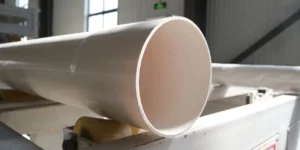
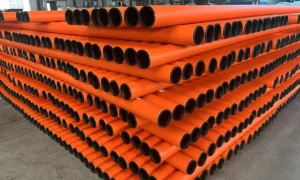
Wiring conduit tubes are essential components in electrical installations, providing protection, organization, and safety for wires and cables. These tubes shield wiring from physical damage, moisture, chemicals, and environmental factors while ensuring compliance with electrical codes. From residential buildings to industrial complexes, choosing the right conduit is critical for system reliability and longevity.

Why Use Conduit Tubes for Wiring?
- Physical Protection: Guards wires against impact, crushing, abrasion, and tampering.
- Environmental Resistance: Protects against moisture, dust, chemicals, and extreme temperatures.
- Safety: Contains electrical faults (e.g., short circuits) and reduces fire risks.
- Organization: Keeps cables neatly bundled and accessible for maintenance or upgrades.
- Code Compliance: Meets national and international electrical standards (e.g., NEC, IEC).
Types of Wiring Conduit Tubes
1. PVC Conduit Tubes
- Description: Rigid or flexible non-metallic tubes made from polyvinyl chloride.
- Advantages:
- Lightweight, corrosion-resistant, and easy to install.
- Ideal for damp environments (e.g., underground, outdoors).
- Affordable and non-conductive.
- Applications: Residential wiring, underground installations, and corrosive environments.
2. Metal Conduit Tubes
- Types:
- EMT (Electrical Metallic Tubing): Thin-walled, lightweight steel tubing.
- RMC (Rigid Metal Conduit): Heavy-duty threaded steel or aluminum tubing.
- IMC (Intermediate Metal Conduit): Lighter than RMC but offers similar strength.
- Advantages:
- High mechanical strength and fire resistance.
- EMI (electromagnetic interference) shielding.
- Applications: Industrial facilities, commercial buildings, and exposed areas requiring durability.
3. Flexible Conduit Tubes
- Types:
- LFMC (Liquid-Tight Flexible Metal Conduit): Corrugated metal with a waterproof PVC coating.
- FMC (Flexible Metal Conduit): Uncoated corrugated metal for dry indoor use.
- Non-Metallic Flexible Conduit: PVC or nylon for light-duty applications.
- Advantages:
- Bends easily around obstacles, reducing the need for fittings.
- Resists vibrations and movement.
- Applications: Machinery, HVAC systems, and tight spaces.
4. HDPE Conduit Tubes
- Description: High-Density Polyethylene tubes with high impact and chemical resistance.
- Advantages:
- Lightweight, durable, and suitable for direct burial.
- Often used for telecommunications and fiber optic cables.
- Applications: Underground utility lines, data centers, and outdoor installations.
Key Selection Criteria
- Environment:
- Indoor vs. Outdoor: UV resistance for outdoor use; moisture resistance for damp areas.
- Corrosive Settings: Choose PVC or HDPE for chemical exposure.
- Mechanical Needs:
- Impact Resistance: Metal conduits for high-risk areas; PVC for general use.
- Flexibility: Flexible conduits for complex routes or moving parts.
- Fire Safety:
- Metal conduits offer superior fire resistance compared to plastic variants.
- Cost and Installation:
- PVC is cost-effective and easy to cut; metal conduits require threading and tools.
Installation Tips
- Size Matters: Ensure the conduit inner diameter accommodates all wires with ample space (typically 40% fill capacity).
- Bending and Fitting: Use proper tools to avoid kinking (for metal) or over-bending (for flexible types).
- Grounding: Metal conduits must be grounded to prevent electrical hazards.
- Sealing: Use waterproof seals for outdoor or underground entries.